
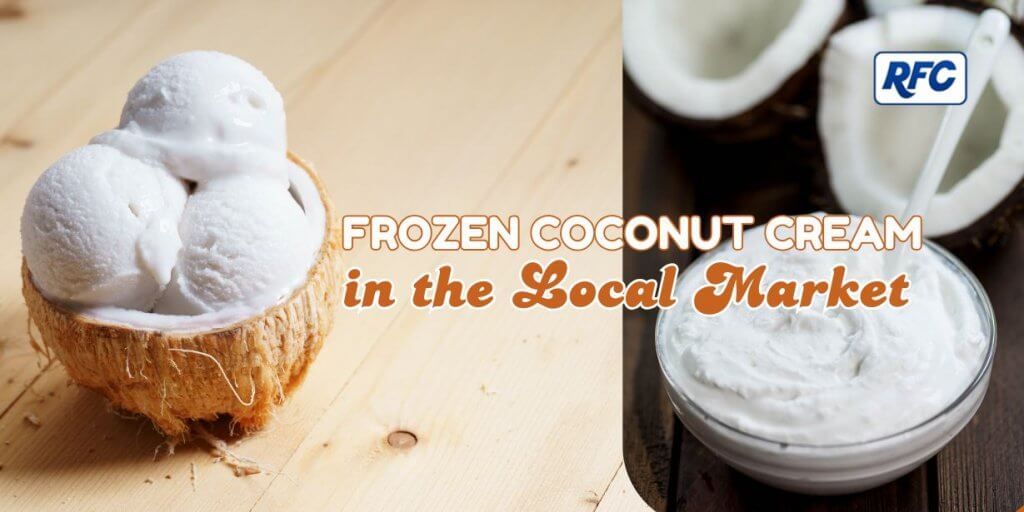
Frozen coconut cream is becoming a favorite choice for many households and food businesses in the Philippines. Traditionally, Filipino dishes like laing, ginataang gulay, bicol express, and kakanin rely on freshly squeezed coconut cream, locally known as kakang gata. However, extracting coconut cream manually takes time, effort and fresh coconuts—which are not always easy to find or store.
That’s why frozen coconut cream is gaining popularity. It offers a convenient and ready-to-use option without compromising on the taste or quality that Filipino recipes are known for. Since it is stored in the freezer, it can last for several months without spoiling.
How Frozen Coconut Cream is made?
Frozen coconut cream is made from fresh, mature coconut meat. The coconut meat is grated, then pressed to extract the thick, rich cream — also called kakang gata. This cream is then carefully frozen right away to keep it fresh and safe for future use.
The main difference between fresh coconut cream and frozen coconut cream is how they are stored and how long they last. Fresh coconut cream must be used right away, usually within a few hours, or it will spoil. On the other hand, frozen coconut cream is stored in the freezer, which keeps it good for several months. This makes it more convenient, especially for people who don’t have time to prepare fresh coconut cream every time they cook.
Benefits of Using Frozen Coconut Cream
There are many reasons why frozen coconut cream is a smart choice for homes and businesses:
- Longer Shelf Life
Unlike fresh cream, which can spoil quickly, frozen coconut cream can last for months in the freezer. This helps avoid waste and saves money.
- Convenience
No more grating coconuts or squeezing them by hand. Frozen coconut cream is ready to use anytime. Just thaw and cook.
- Consistent Quality
Fresh coconut cream can vary in thickness and taste, but frozen coconut cream has a uniform texture and flavor every time.
- Cost-Effective
You only need to use what you need and save the rest for later. This makes it more economical, especially for small food businesses.
How Frozen Coconut Cream is Used in the Philippines
Frozen coconut cream is now widely used in the Philippines by different groups. Let’s look at how the market is divided:
Market Segmentation
By Type
Frozen coconut cream comes in different types, depending on how thick or rich the cream is. Some are thick and creamy—perfect for dishes like laing and bicol express. Others are lighter and used for soups, sauces, or desserts. Some products also come in blocks or bags, while others are portioned for easier use.
By Application / Distribution
- Home Use – Many families now use frozen coconut cream for everyday cooking. It saves time and removes the need for buying and preparing fresh coconuts.
- Food Service – Restaurants, eateries and catering businesses rely on frozen coconut cream because it gives consistent results and can be stored in bulk.
- Manufacturing – Food manufacturers use it to make canned goods, frozen meals, snacks, sauces and even non-dairy milk alternatives.
- Export and Retail – Some frozen coconut cream products are also sold abroad, while others are available in local supermarkets, groceries, and online platforms.
Market Performance
The demand for frozen coconut cream continues to grow in the local market. Many consumers are now aware of the health benefits of coconuts—such as healthy fats and natural energy—so they are more likely to choose products like frozen coconut cream.
What’s Driving the Demand?
- Changing diets – More Filipinos are shifting to plant-based or dairy-free diets, where coconut cream becomes a perfect substitute.
- Busy lifestyles – People want quick and easy-to-use ingredients that don’t compromise flavor or nutrition.
- Product availability – Supermarkets and online stores make it easier to find frozen coconut cream today than in the past.
Challenges for Local Producers
Despite the growing demand, local manufacturers face a few challenges:
- Strong competition – There are many brands, including imported ones, making it harder for smaller producers to stand out.
- Supply chain issues – Weather changes and coconut supply problems can affect production and pricing.
- Cold storage and logistics – Since it’s a frozen product, it needs special storage and delivery, which can be costly.
Online Sales and Pricing
Online shopping has helped in improving the visibility of frozen coconut cream in the market. Many brands now sell through e-commerce platforms, making it easier for customers to order from home. Prices vary depending on brand, size and packaging. While some are slightly more expensive than fresh cream, most buyers agree the convenience and shelf life are worth it.
As demand continues to grow, frozen coconut cream has the potential to become a kitchen staple in every Filipino home. If you’re looking for a trusted source, RoyceFood Corporation is a reliable manufacturer of high-quality frozen coconut cream, perfect for both home and business use.
Visit our blog for more information or contact us for inquiries!