
When most people picture desiccated coconut, they imagine one uniform product: dry, white, shredded coconut meat. In reality, desiccated coconut is produced in several distinct cuts, and each one is suited to a different job in the kitchen or on a production line. For bakers, confectioners, and food manufacturers, knowing which cut fits a recipe or formulation is just as important as sourcing a high-quality supplier in the first place.
Here is a closer look at the main desiccated coconut cuts available, and where each one performs best.
Macaroon, or Fine, Cut
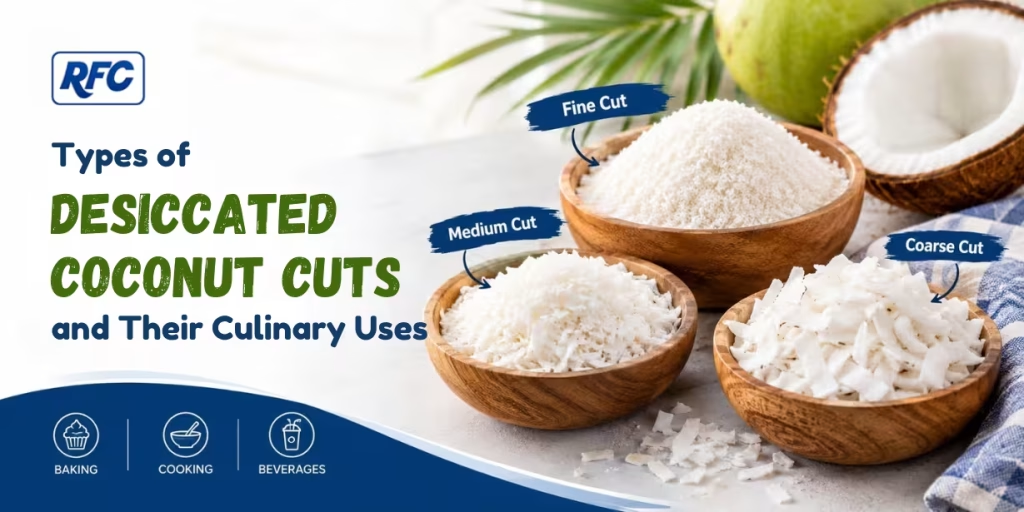
The finest grade of desiccated coconut is often called macaroon cut, named for its most common use. This cut consists of very small, uniform pieces that blend smoothly into batters without leaving large visible chunks. It is the preferred choice for coconut macaroons, delicate pastries, and any recipe that calls for coconut flavor without a coarse texture interrupting the bite. Confectionery manufacturers producing consistent, high-volume batches also favor fine cut for its predictable behavior in mixing equipment.
Medium Cut
Medium desiccated coconut sits between fine and coarser cuts, and it is arguably the most versatile grade on the market. It works well in general baking, as a coating for candies and truffles, and as a finishing topping sprinkled over cakes and desserts. In many Southeast Asian kitchens, medium-cut desiccated coconut is a familiar sight dusted over rice cakes and traditional sweets, where its texture adds visual appeal without overwhelming the dish.
Fancy Shred and Flakes
Fancy shred and flaked cuts are longer and more visually distinct than fine or medium coconut. Rather than blending into a mixture, these cuts are meant to be seen, making them a natural fit for confectionery where presentation matters. Coconut-topped chocolates, layered tropical desserts, and specialty candy bars often rely on this cut specifically because the strands hold their shape and add texture on top of the finished product.
Coconut Chips
At the coarser end of the spectrum, coconut chips deliver a heartier, crunchier bite than any of the shredded cuts. This makes them popular as a standalone snack, as well as an addition to granola, trail mix, and specialty baked goods that benefit from a more substantial texture. While related to standard desiccated coconut in how it is dried, coconut chips are typically processed as their own distinct product line built for snacking applications.
Toasted and Sweetened Variants
Beyond particle size, desiccated coconut is also available with different finishing treatments layered on top of any cut:
● Toasted coconut is lightly roasted to deepen its flavor and give it a golden color, popular in granola and dessert toppings.
● Sweetened coconut is coated with sugar for confectionery and dessert use where extra sweetness is part of the recipe.
● Toasted sweetened coconut combines both treatments for a richer flavor profile often used in premium bakery and candy products.
Any cut, from fine to chips, can generally be produced natural, toasted, or sweetened depending on a buyer’s specification.
Matching the Cut to Your Application
| Application | Recommended Cut |
| Macarons and fine pastry | Macaroon / fine |
| General baking, topping, sprinkling | Medium |
| Confectionery and visual garnish | Fancy shred / flakes |
| Snacking, trail mix, granola | Chips |
| Dessert toppings needing deeper flavor | Toasted (any cut) |
| Confectionery requiring added sweetness | Sweetened or toasted sweetened |
Why the Right Cut Matters for Manufacturers
Choosing the correct desiccated coconut cut affects more than just appearance. Particle size influences how coconut absorbs moisture in a batter, how evenly it toasts, and how consistently it performs across large production runs. Buyers formulating a new product should specify the exact cut and finish they need rather than ordering a generic “desiccated coconut” and hoping it fits, since even small differences in grade can change baking yield or shelf presentation.
For manufacturers producing multiple products, sourcing every cut from a single, established supplier also simplifies the supply chain. Instead of managing separate vendor relationships and specification sheets for fine cut, medium cut, and chips, working with one manufacturer that offers the full range keeps quality standards, certifications, and lead times consistent across an entire product portfolio.
Royce Food Corporation produces desiccated coconut across the full range of cuts and finishes described above, backed by export-grade quality control and organic certification. Whether your next product calls for a fine macaroon cut or a toasted coconut chip topping, our team can help match the right specification to your recipe or formulation.
Ready to source the right cut of desiccated coconut for your product line? Contact Royce Food Corporation to request a sample set and specification sheet.